Scaling Startups: Three Paths from Prototype to Success
From first prototype to exit: how apprime accompanied startups like Musement and LiveEO as their technology partner on the journey to scale.
What startups really need
Startups don't have a resource problem. They have a time problem. Every week counts, every decision has consequences, and most mistakes only show up months later – when the money runs short and the market doesn't wait.
In that situation, finding the right technology partner isn't an operational decision. It's a strategic one. Because the partner co-determines how fast the product gets to market, how well the architecture scales, and whether the team can show investors a technical foundation at the next financing round that holds up.
Over the years we've accompanied several startups – from the first idea well past launch. Three of them show how different the paths can be and what still connects them.
Musement: from prototype to a multi-million exit
Musement was a booking platform for tours and activities – a direct competitor to GetYourGuide. The team had the idea and the market understanding. What they needed was a technical partner who could quickly bring a product to market that didn't just work, but scaled.

We built the product with Musement – not as a rigid project with a fixed scope, but as an iterative process where we learned together what the market needed. Fast cycles, real user feedback, technical decisions designed for growth.
The result: Musement was acquired by TUI – a multi-million-euro exit. Not because the technology was so revolutionary, but because the product worked, the platform scaled, and the timing was right. Technology wasn't the hero of the story. But without the right technology, the story would never have ended that way.
LiveEO: from startup to gamechanger
LiveEO uses satellite data to monitor vegetation and infrastructure – for energy providers, grid operators, and public bodies. What sounds like a niche topic is now a massive market. And LiveEO is right in the middle of it.
When we started with LiveEO, the company was a young startup with a strong vision and the question: how do we set this up technically so that it doesn't just work as a demo, but in real operation, with large amounts of data and demanding customers?
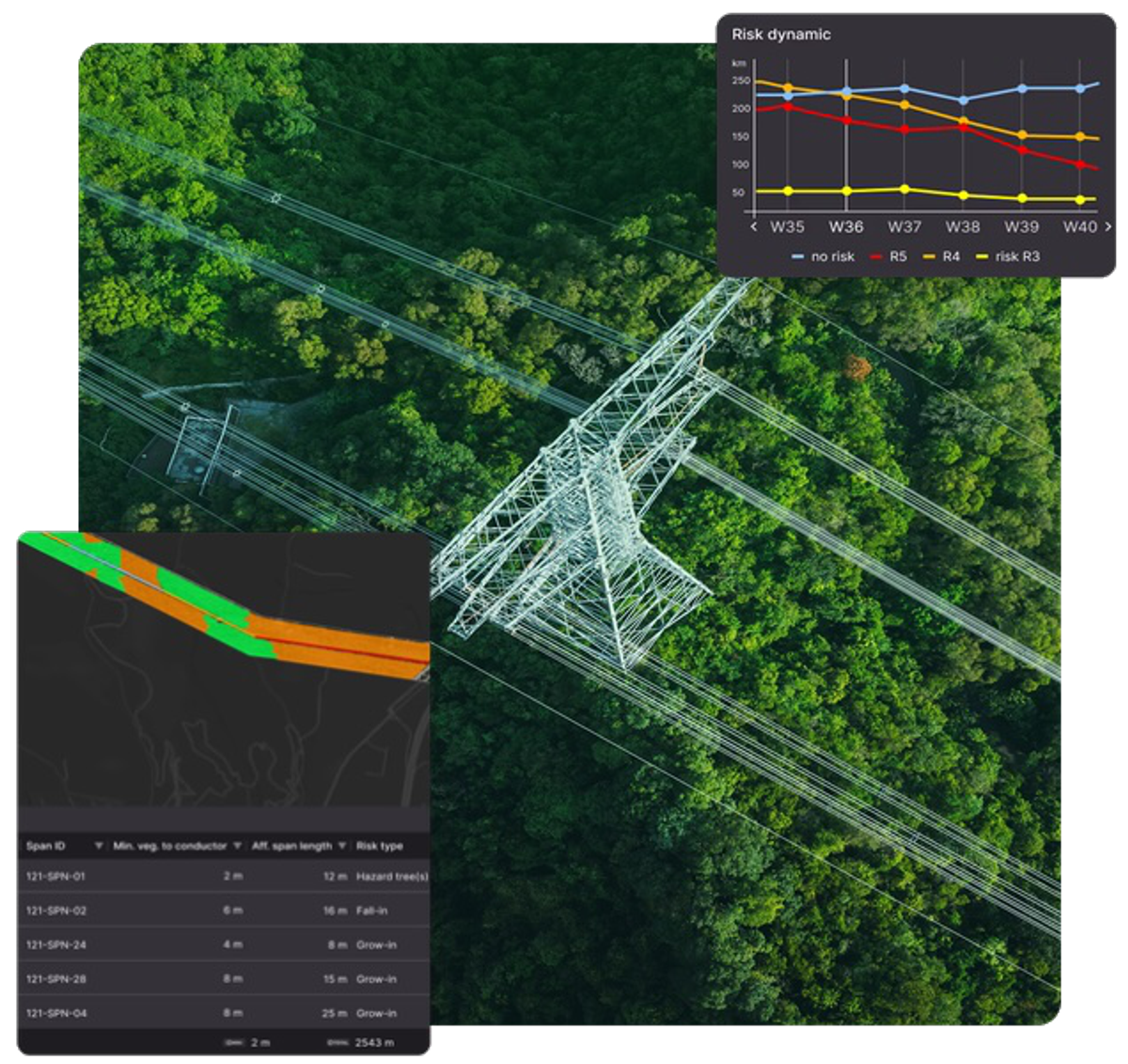
That was exactly our task. Not just writing code, but designing the App architecture so that the product could grow with the company. Machine learning, large-scale data processing, integration into existing customer systems.
LiveEO today is a company with significant funding and a product in use at major infrastructure operators. The technology we built together was the foundation for that.
Maria T.: when one person becomes an entrepreneur
Not every startup begins with a founder team and a seed round. Some begin with one person, one idea, and the courage to act on it.

Maria T. came to us with the vision of a mobility platform built specifically for the needs of women – safe ridesharing, by women for women. She wasn't a technologist. She was an entrepreneur – with a clear picture of which problem she wanted to solve and the determination to do it.
Our role here was different from Musement or LiveEO. We weren't just a technology partner, but also a sparring partner. We sharpened the idea with Maria, defined the product, built the prototype and advised her on where technology could help – and where other things mattered more.
This project shows something that matters to us: a good technology partner doesn't just work with tech founders. They work with people who want to solve a problem – regardless of their technical background.
What these three cases have in common
The projects couldn't be more different. A booking platform, a satellite company, a mobility solution. Three different markets, three different starting points, three different outcomes.
But in all three cases, the decisive factor wasn't the technology. It was the collaboration. The willingness to challenge ideas. The honesty when something didn't work. And the fact that we stayed – not just until launch, but as long as we were needed.
That's what distinguishes a technology partner from a vendor. Not the tech stack. The attitude. Anyone who wants to use AI strategically in their business has to start differently – not with the technology, but with the problem.
You have an idea and are looking for a partner to build it with you? Talk to us.